
Different Types Of Life Insurance Policies Guide
About 58% of adults in the UK don’t have life insurance. This shows how important it is to understand the different life insurance options.
By researching the different types of life insurance, you can make an informed decision and protect your family’s financial future.
Over many years, Insurance Hero has helped homeowners and families choose the right life insurance policies in the UK.
Our experience includes guiding policyholders on Term, Whole-of-Life, Critical Illness, Mortgage Life, and Income Protection options to match their needs.
Help Safeguard Your Family’s Future Today. Find Your Cheapest Quote

What type of life insurance do I need?
To determine the best type of life insurance for you, you must assess your assets and liabilities and your family’s current and future needs.
It is an exercise in what if. People ask many questions, including the benefits and drawbacks of whole life insurance and whether critical illness cover is worth it.
Term Life Insurance and its different types
A term life insurance policy covers you for a fixed term, usually spanning the period during which all your significant liabilities exist. This likely includes your children’s ages.
Due to industry changes, Insurance Hero can offer you new term life quotes for 2026.
For some people, it may make sense to terminate an old legacy policy and get a new one that is lower-priced, higher-quality, or better suited.
Many brokers don’t offer advice, and the Insurance Hero team has often found that people have cover that doesn’t suit their needs.
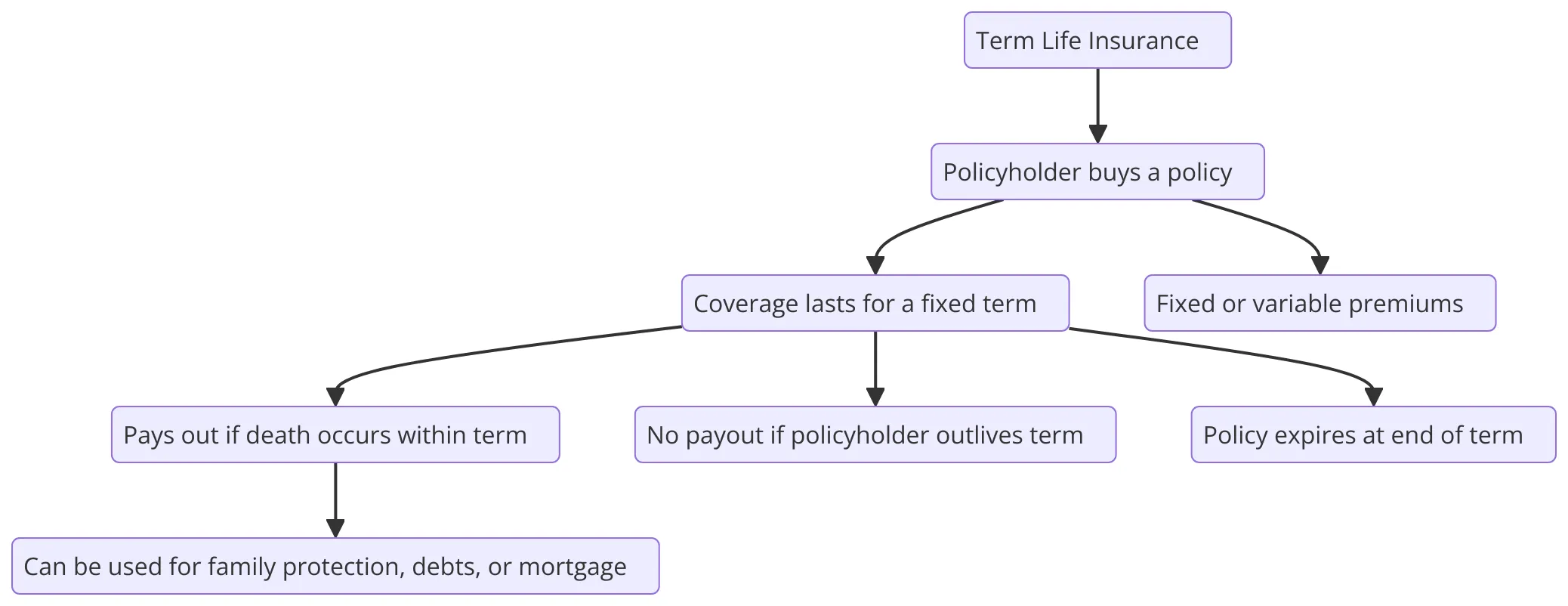

Decreasing Term Life Insurance
This type of policy has a slightly confusing name. Sometimes, it is called mortgage life insurance. The “decreasing” refers to the cover amount, not the term.
Most people have a repayment mortgage, where the amount they owe decreases over time. As a result, the policy payout also decreases over time.
For example, if your mortgage debt drops from £150,000 to £50,000 during the policy period, the protection amount shrinks in line with it.
This type of term insurance often costs less than level or increasing options, so decreasing term life insurance is popular among homeowners who want coverage for their remaining loan balance.
This is often the cheapest life insurance cover, but it isn’t right for every family.
An even more cost-effective option for some people is a joint mortgage life insurance policy that covers both adults.

Level Term Life Insurance
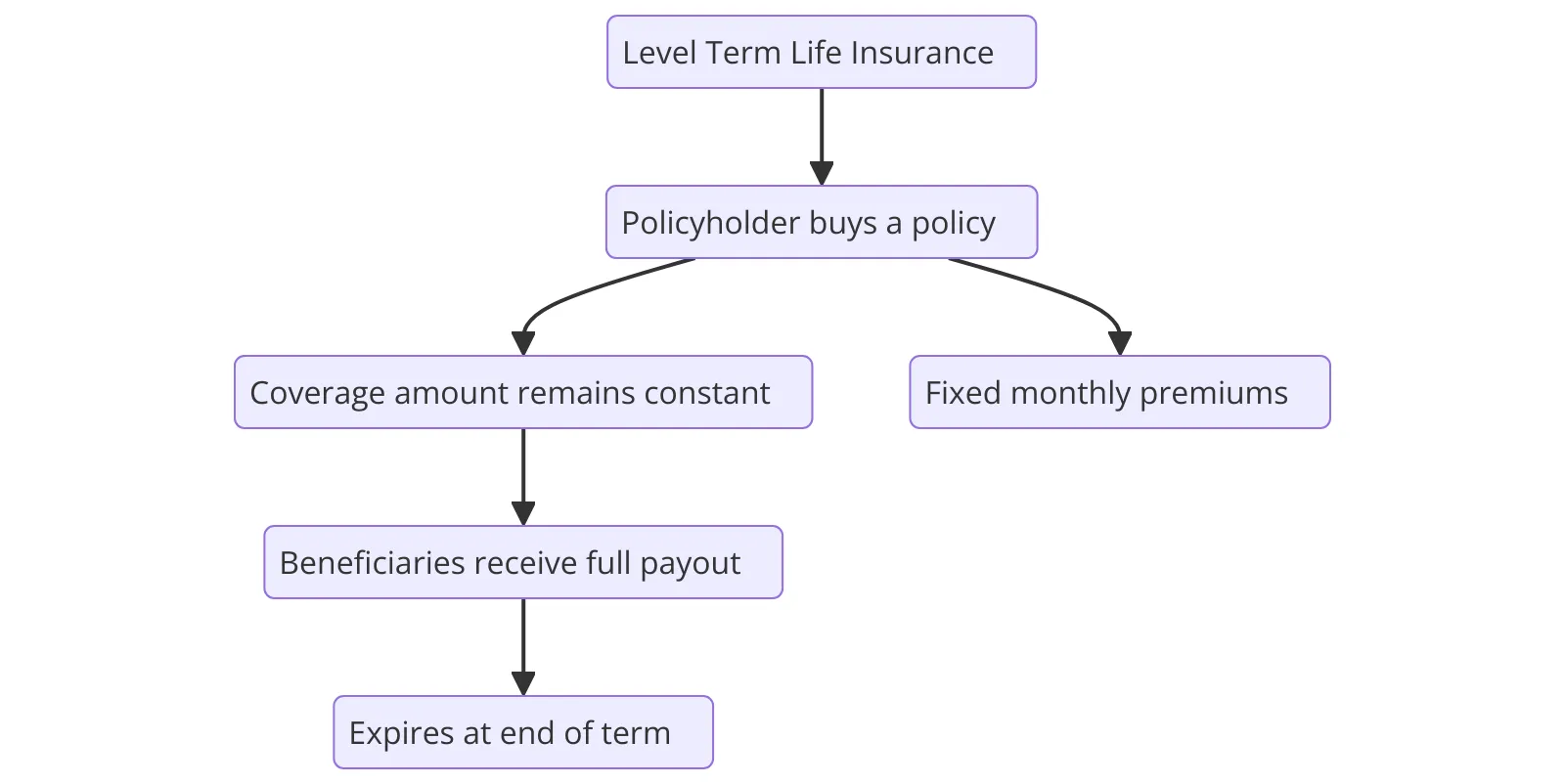
Insurance Hero advisors often get this question: What does level-term life insurance mean? Well, it’s simply life insurance with a fixed term that pays out a fixed amount.
Level term life insurance pays a fixed amount if the insured dies within a set period. Unlike Decreasing Term Life Insurance, where payouts shrink with loans or mortgages, level coverage stays steady for the whole term.
Premiums stay fixed, too, making it easy to budget finances and manage living costs like childcare and car insurance.
Increasing Term Life Insurance
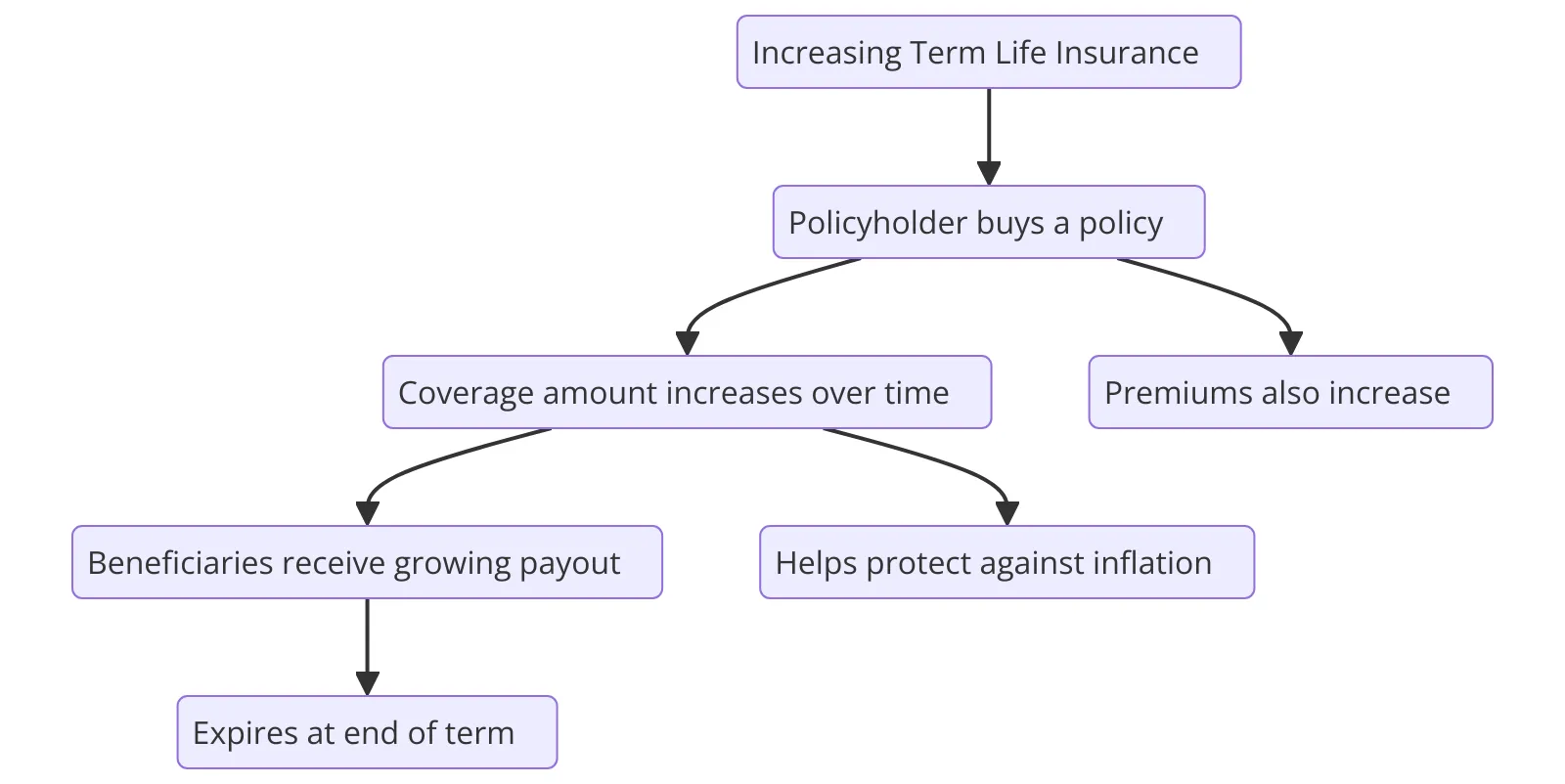
If you want life cover that covers your family’s living costs, not just your remaining mortgage, increasing term life insurance may be best for you.
Did you know it’s the banker’s written policy to slowly destroy the value of money? It sounds crazy, doesn’t it? However, the Bank of England is expected to target 2% inflation.
With an increasing term life insurance policy, you pay a higher premium because the cover amount increases over time, usually in line with inflation.
Whole of Life Insurance
Whole of life insurance provides cover for your entire lifetime, guaranteeing a payout upon your death.
Unlike term policies that end after a set period, whole life plans offer lifelong peace of mind and often include an investment element, known as cash value, that builds savings over time.
You pay regular premiums into the policy; part covers protection, and insurers invest another portion in assets like bonds or stocks and shares ISAs.
- Cash value builds slowly but steadily, letting you borrow against it if needed.
- This type of coverage costs more than basic term coverage because it offers lifelong coverage and cash accumulation features.
However, whole life insurance can help with estate planning in the UK because payouts are usually tax-free to beneficiaries, easing the inheritance tax burden families face after losing a loved one.
Premiums can stay fixed from day one or rise gradually based on factors such as age or health conditions insurers assess during underwriting in the UK’s highly regulated insurance industry.
Critical Illness Cover
Critical Illness Insurance pays a tax-free lump sum if you are diagnosed with a serious illness. Common conditions covered include heart attack, stroke, cancer and major organ transplants.
- Unlike Whole Life Insurance or over-50 Life Insurance, which pay upon death, this policy helps manage financial burdens while you’re alive.
- You can use the payout for mortgage payments, income drawdowns due to sickness, home adaptations, or even that long-awaited campervan trip.
Policies vary widely in cost and coverage depending on personal risk factors such as age, lifestyle habits, and family medical history.
Critical illness cover from Insurance Hero can be purchased standalone or as an add-on underwritten with life insurance policies. Insurance Hero can help you compare costs and benefits carefully before you commit.
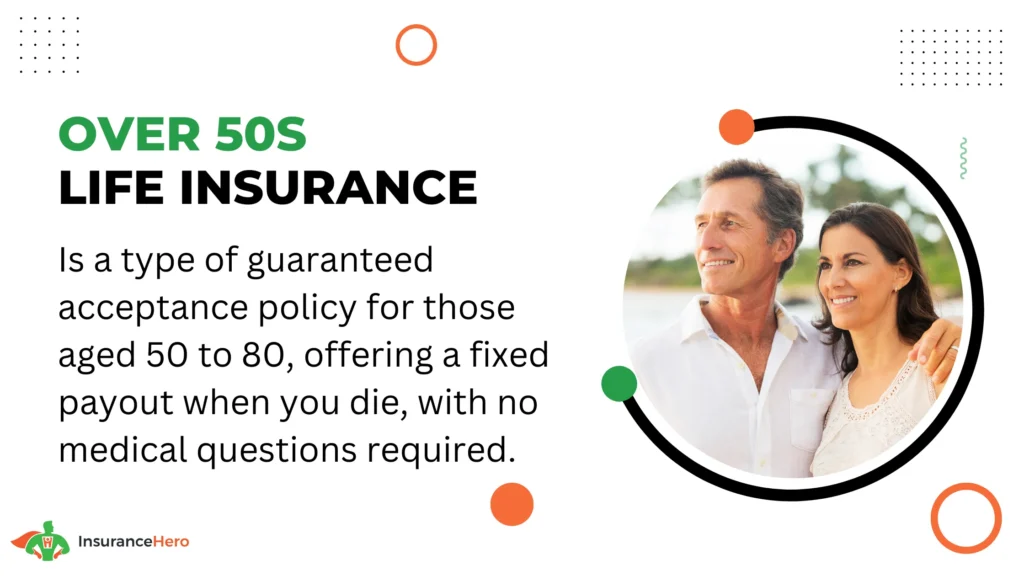
Over 50s Life Insurance
While income protection insurance covers lost wages if you fall ill, over 50s Life Insurance offers a simple way to leave money behind for loved ones.
This policy is simple, with no medical checks or health questions.
You pay fixed monthly payments until you reach a certain age, usually around 90, or pass away. The payout can help cover funeral costs, unpaid debts, or small gifts to family members.
However, the lump sum paid out is often relatively modest, typically between £1,000 and £25,000. This may not replace a pension or provide a large life annuity payment, but it can still help.
Mortgage Life Insurance
Mortgage life insurance helps protect your home. It pays off your mortgage if you die before you finish repayments.
- This type of life insurance is usually set up as a decreasing term policy, with the payout decreasing over time to match your shrinking mortgage balance.
- Most lenders suggest this cover for new homeowners taking out mortgages.
Mortgage life cover can give families peace of mind, especially those who rely on a regular income and may struggle financially without support.
Premiums are often lower than level term insurance; payments decline as the amount owed on your house falls, keeping costs manageable each month.
Life Insurance For UK Expats
Life insurance for UK expats protects loved ones if the policyholder dies while living abroad.
Policies can be taken out through international providers or UK-based brokers like Insurance Hero. Expat coverage usually requires medical underwriting and proof of residency.
Premiums and terms may vary by country of residence, risk factors, and currency exchange rates.
Factors to Consider When Choosing a Policy
Choosing the right life insurance depends on your needs, budget and future plans.
Coverage duration
Coverage duration means how long your life insurance lasts. Whole of Life Insurance covers you until death, while term policies have set limits—often 10, 20 or even 30 years.
Choose a length that aligns with your plans and personal finances.
Type of premiums
Life insurance premiums in the UK can be fixed or reviewable. Fixed premiums stay the same throughout your policy term, allowing you to budget with ease and clarity, knowing exactly what you’ll pay each month.
Reviewable premiums start lower but may increase after regular reviews by your insurer; price changes depend on factors such as age, health conditions, and market rates.
You can also choose guaranteed premiums for whole-of-life insurance policies.
These remain unchanged throughout your lifetime as long as you pay on time, giving you certainty in later years without unexpected increases.
Whichever premium type you pick affects how affordable your life insurance cover is over time.
Additional policy features
Additional features can make a life insurance plan more valuable. Features such as a premium waiver help if you’re ill or cannot work—your payments are covered in tough times.
- Another useful one is terminal illness cover, which pays out early if you’re diagnosed with less than 12 months to live.
- Some insurers also offer options like children’s cover, giving your family extra peace of mind.
- Policy extras, such as a funeral benefit, can help your loved ones quickly access funds for urgent costs after your death.
- Indexation features increase your payout each year in line with UK inflation, helping keep pace with rising living costs and future needs.
Guaranteed insurability options allow you to increase your coverage without additional medical exams after life events, such as marriage or having kids—a convenient feature during key milestones in life insurance planning.
Interested in comparing different plan types?
The Insurance Hero team has written carefully researched guides that explain the pros and cons of different coverage types.
This should help you decide on the best action plan for you and your family’s needs.
- Death in Service vs. Life Insurance: Death in service is a workplace benefit that pays a lump sum if you die while employed, whereas life insurance is a personal policy you control and pay for.
- Whole vs. Term Cover: Whole life cover lasts your entire life and has a guaranteed payout, while term cover only pays out if you die within a set period.
- Life vs Critical Illness: Life insurance pays out when you die, but critical illness cover pays out if you’re diagnosed with a serious illness during the policy term.
- Life Insurance vs Mortgage Cover: Life insurance offers flexible financial protection for loved ones, while mortgage cover is tailored to pay off your mortgage if you die.
Every policy has strengths and limits, depending on your lifestyle and needs. Check the details carefully, including premium types, coverage length, and extra features.
With careful thought, choosing the right life insurance gives peace of mind for life’s surprises ahead.
Resources we consulted
- https://www.moneyhelper.org.uk/en/everyday-money/insurance/what-is-life-insurance
- https://www.abi.org.uk/products-and-issues/choosing-the-right-insurance/life-cover/
- https://www.royallondon.com/guides-tools/life-insurance-guides/types-of-life-insurance/

Steve Case is a seasoned professional in the UK financial services industry, with over twenty years of experience. At Insurance Hero, Steve is known for simplifying complex insurance topics, making them accessible to a broad audience. His focus on clear, practical advice and customer service excellence has established him as a respected leader in the field.
